
Developed by Sting for Atlus USA.
Role-playing (RPG) / Simulator / Strategy / Fantasy / Warfare
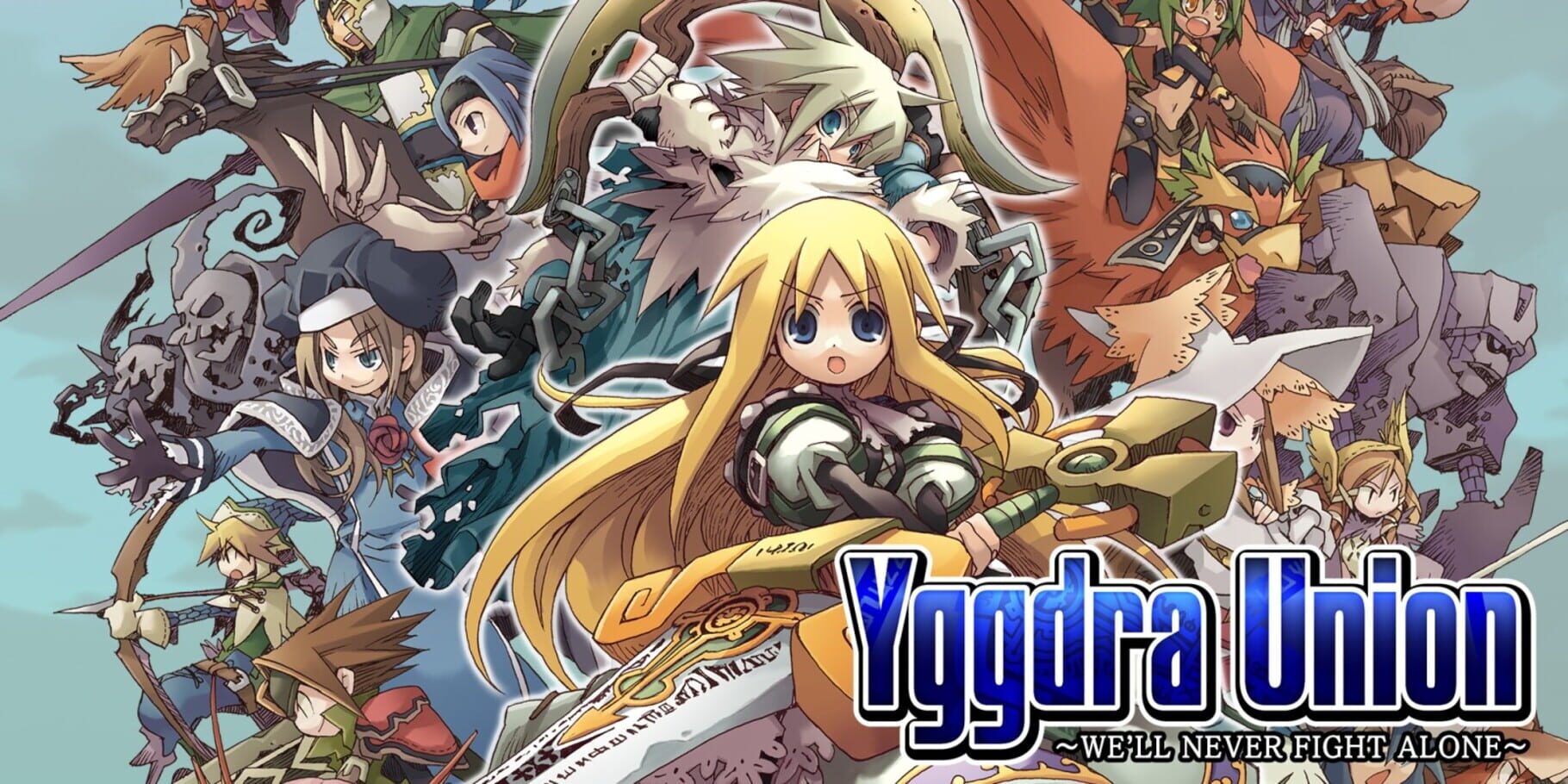
Yggdra Union was remade/enhanced for the PSP with redrawn graphics, voice acting, some new characters, new/edited maps and an increase to 8 units brought into battles instead of the original limit of 6. "Yggdra Union tells the story of a princess ousted from her country and her mission to win it back from the Imperial Army. From a bandit king to a valiant knight, to a young Undine girl, Yggdra is joined in her mission by an ever-increasing band of rag-tag adventurers. Each of them has his or her own beliefs and ambitions, but as thier paths cross, they soon find that protecting what they love most means somehow finding a way to stop the Empire. Get ready for one of the most unique and engrossing straegy games ever to hit the PSP!"
"The Kingdom of Fantasinia is situated in the center of the continent. Thanks to its just rule by a royal family descended from the gods, the Kingdom had enjoyed generations of porsperity and stability. Under King Ordene, 31st monarch of Fantasinia, all that changed. The land came under attack by the Empire of Bronquia, a nation rapidly expanding it's borders through conquest. The blitzkrieg was led by the youn Emperor Gulcasa, who assumed the throne in a bloddy uprising. Rocked by a series of fierce attacks, Fantasinia lost more and more ground to the invasion, with its people forced to endure a new and oppressive regime. Eventually, King Ordene was overthrown and killed. In the tumult that followed, a girl managed to flee Paltina, the capital of Fantasinia, taking with her nothing but a sword. This was the Holy Sword, the Gran Centurio, passed from generation to generation down the royal bloodline. The Legendary blade is said to have been instrumental in founding the Kingdom. Her name was Yggdra Yuril Artwaltz, and with Fantasinia's last hope in her hands, she finally reached the southern end of the country. Now, with a small band of allies, the long battle to free her homeland has begun..."
Role-playing (RPG) / Simulator / Strategy / Fantasy / Historical
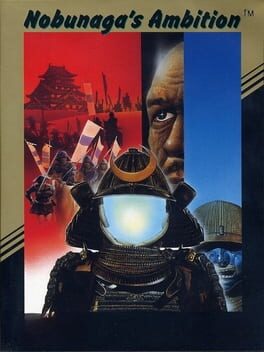
The second game in the series, previously released as Nobunaga's Ambition in the West. Players take on the role of one of the main characters of the period, Nobunaga Oda, Shingen Takeda, Kenshin Uesugi, or others and try to unite the 50 kingdoms of Japan, from Ezo in the north to Kyushu in the south, under their own rule.

Role-playing (RPG) / Strategy / Turn-based strategy (TBS) / Fantasy / Warfare
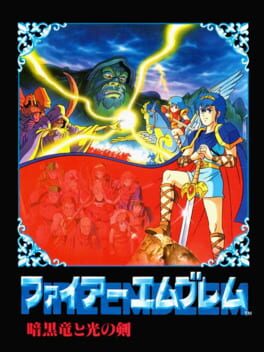
Fire Emblem: The Dark Dragon and Sword of Light is the first game in the Fire Emblem series, developed by Intelligent Systems and published by Nintendo. It was first released on the Famicom (known internationally as the Nintendo Entertainment System) on April 20, 1990. It takes place on the continent of Archanea. It stars Marth, a character who later appeared in Super Smash Bros. Melee. The first time the game was released outside of Japan was in the form of a limited edition port for Nintendo Switch, under the same name, that runs a localization script in the background, but the original version of the game was never released outside of Japan.

Role-playing (RPG) / Strategy / Turn-based strategy (TBS) / Fantasy / Historical
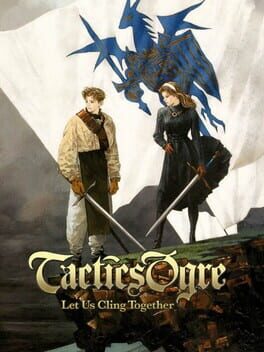
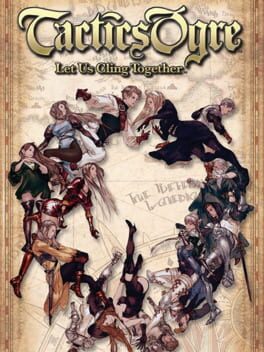
Tactics Ogre is a 3D isometric tactical role-playing game. The player starts out with a band of troops, builds a small army and fights many battles with choices to make in between, that will determine which one of the eight possible endings will be reached in a non-linear storyline. The player has the option to recruit characters, control individual equipment of each character, with over six male character classes, six female character classes, three demi-human classes, and more. It is also possible to train at safe locations to prepare the army before the next battle or storyline advancement.

Role-playing (RPG) / Strategy / Turn-based strategy (TBS) / Fantasy / Historical
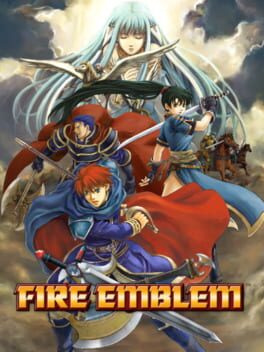
It is the seventh game of the Fire Emblem series, the second game in the series to be released for the Game Boy Advance, and the first to be released in both North America and Europe. It features a prologue storyline designed to introduce newcomers to Fire Emblem gameplay and tactical basics. The overall narrative is a prequel to the events of the previous game, Fire Emblem: The Binding Blade, which is set twenty years later. The game was first released under the localized title "Fire Emblem" in the West, but it was later rebranded as "Fire Emblem: The Blazing Blade" when Fire Emblem Heroes was released.

Role-playing (RPG) / Strategy / Turn-based strategy (TBS) / Fantasy / Warfare
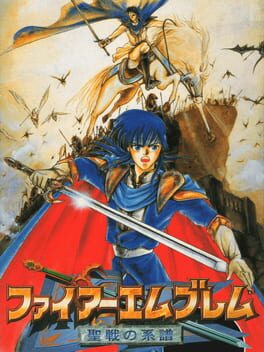
Fire Emblem: Genealogy of the Holy War is a Japanese Super Famicom tactical role-playing game developed by Intelligent Systems and published by Nintendo. It was released on May 14, 1996 in Japan. It is the fourth title in the Fire Emblem series, the second Fire Emblem title for the Super Famicom, and the last game produced by the late Gunpei Yokoi. It was released on the Japanese Virtual Console service on January 30, 2007. The game was originally to be titled as Fire Emblem: Light Inheritors.

Role-playing (RPG) / Strategy / Turn-based strategy (TBS) / Fantasy / Warfare
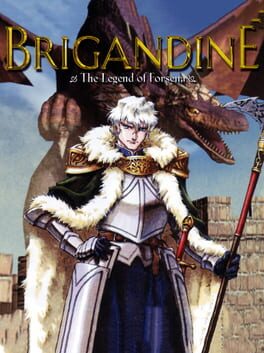
Can you defend your lands against a great evil? As one of the five Knights of Rune, it is your duty to battle the monsters and armies of an evil emperor and restore peace to a broken land. Once you choose your character, you'll organize your party members into attack forces and begin the battle. A deep and involving war simulation, the game's system is based largely on hit points, experience, and levels making it an effective role-playing title as well. Brigandine: The Legend of Forsena is a rich game and a time-tested classic.

Role-playing (RPG) / Strategy / Turn-based strategy (TBS) / Fantasy / Warfare
A remake version of the Super Famicom game Tactics Ogre: Let Us Cling Together, released on PlayStation Portable. The North American and European versions keep the original Title: "Tactics Ogre: Let Us Cling Together". The PSP remake presents several changes compared to the previous releases. New characters and events are included, and the script has been re-translated. Most importantly, the remake severely downplays the effects of a character's death in battle, giving players extra opportunities to keep characters alive even if their hit points have been reduced to zero in battle. The previous releases permanently eliminated characters once their hit points had been reduced to zero in battle. The remake also adds a crafting system and completely revamps the experience system, giving experience to all the party members after a battle, instead of giving it to single party members after executing individual actions

Role-playing (RPG) / Simulator / Turn-based strategy (TBS) / Fantasy / Science fiction
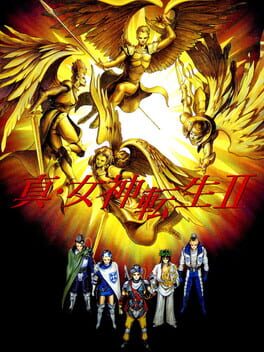
Fifty years have passed since the hero of Shin Megami Tensei followed the neutral path, defeated the leaders of Law and Chaos, and founded a state where followers of both ideologies could live freely. But his reign of freedom doesn't last long. The Messian faith gains power, expanding the Cathedral into a new enclosed environment named Tokyo Millennium. The Gaians rise up, but their rebellion is repressed by the Messians' elite warrior class, the Temple Knights. People flock into the encapsulated city, submitting themselves to the strict hierarchy imposed by the Messian Center, where only the privileged living in the Center district are safe from demonic assaults. A few years later, a retired arena fighter Okamoto rescues a man named Hawk, who was fighting for his life against a demon. He trains him to fight in the arena of the Valhalla district, hoping that he would win the tournament, which will grant them both citizenship in the Center district. When Hawk succeeds, he is brought before a Messian bishop, and learns the shocking truth about his own origins and the role he is supposed to play in the grand scheme of events. A new battle for a better future begins. Shin Megami Tensei II retains all the gameplay features of the previous game. The player is able to summon demons, fuse them to create more powerful ones, make them participate in battles, talk to random enemies and receive information from them, etc. The combat is turn-based, and the player explores the complex, maze-like dungeons from a first-person perspective view. Like in the first game, the Law, Chaos, and Neutral alignments play an important role: during the course of the game, the player will have to make choices that influence the alignment of the protagonist, steering the storyline into different directions. New features include a "magic succession" system, which allows demons to carry over their original magic spells when they are fused into new ones, a few additional spells and abilities, and the possibility to play at the casino and win unique items.